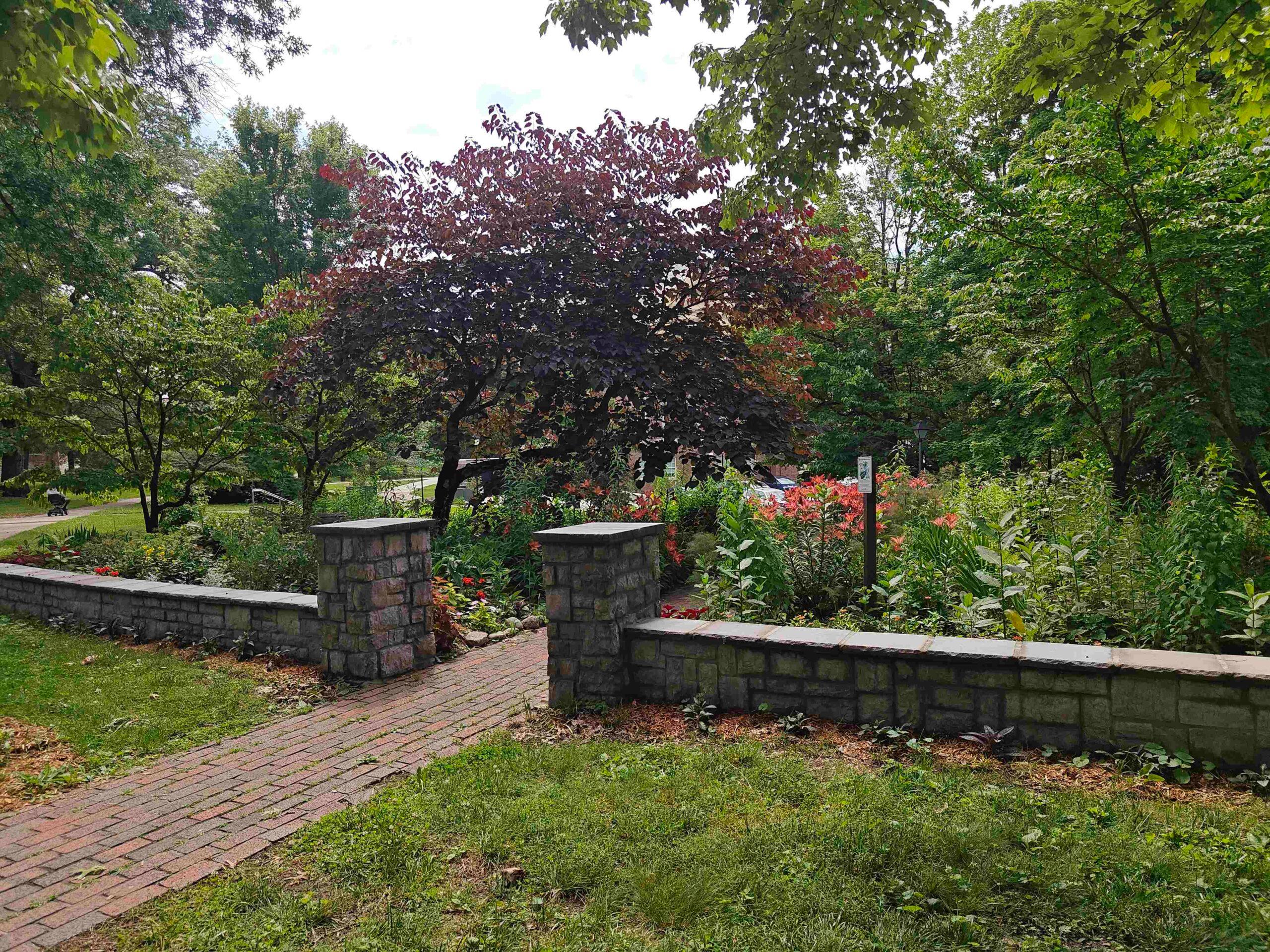
The Laurie Roelofs Pollinator Garden sits within the old foundation for Rustic Cottage, which was built in 1901 and served many purposes until it was demolished in 2008 for the construction of Fee Glade. The area was then turned into a garden. When Laurie Roelofs became First Lady of the college in 2012, she drew on her love of teaching, the environment, and monarch butterflies to develop monarch waystations around campus. In 2014, the garden became officially recognized as a registered monarch waystation and it has provided numerous learning opportunities to for students to learn about monarchs and their lifecycle. You can read more about Mrs. Roelofs work here.
Lyle Roelofs retired from Berea College in 2023 and upon Lyle and Laurie's leaving, the care of the garden was taken over by Katie Berry and Christina Hoddinott, who are striving to keep the garden a safe haven for pollinators of all types, including monarchs. To recognize the wonderful work Laurie has done, it was decided to name the garden in her honor.
Purpose
The main purpose of the garden is to provide vital habitat to pollinators and other wildlife through all seasons. It is also serves as an educational space and a peaceful area on campus for the college and public community to connect with nature & each other, engage in quiet contemplation, read a book, take pictures, etc.
Ultimately, it is a natural expression of the college’s Great Commitments.
Seasons
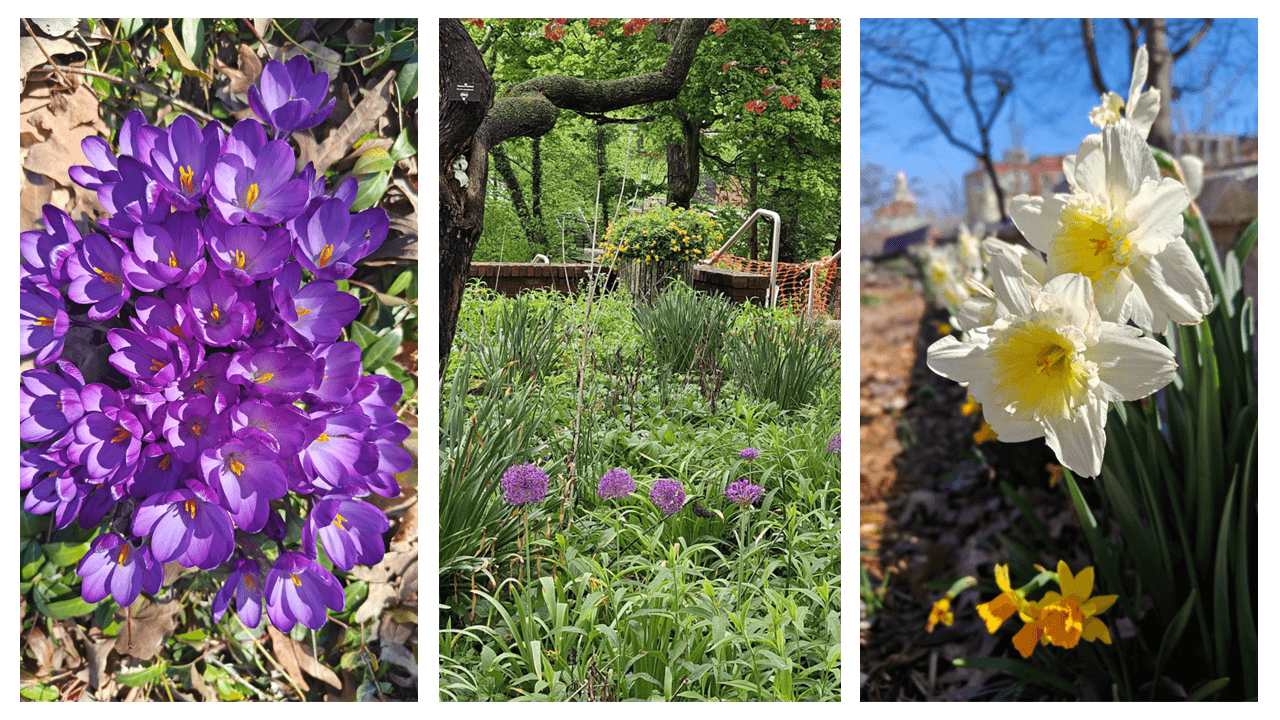
Spring
The garden begins to wake up, with daffodils, crocus, bluebells, and other spring ephemerals providing the first foods to newly emerging insects.
Once the days are warm enough for insects to emerge, dead plant material will be removed to make way for new growth.
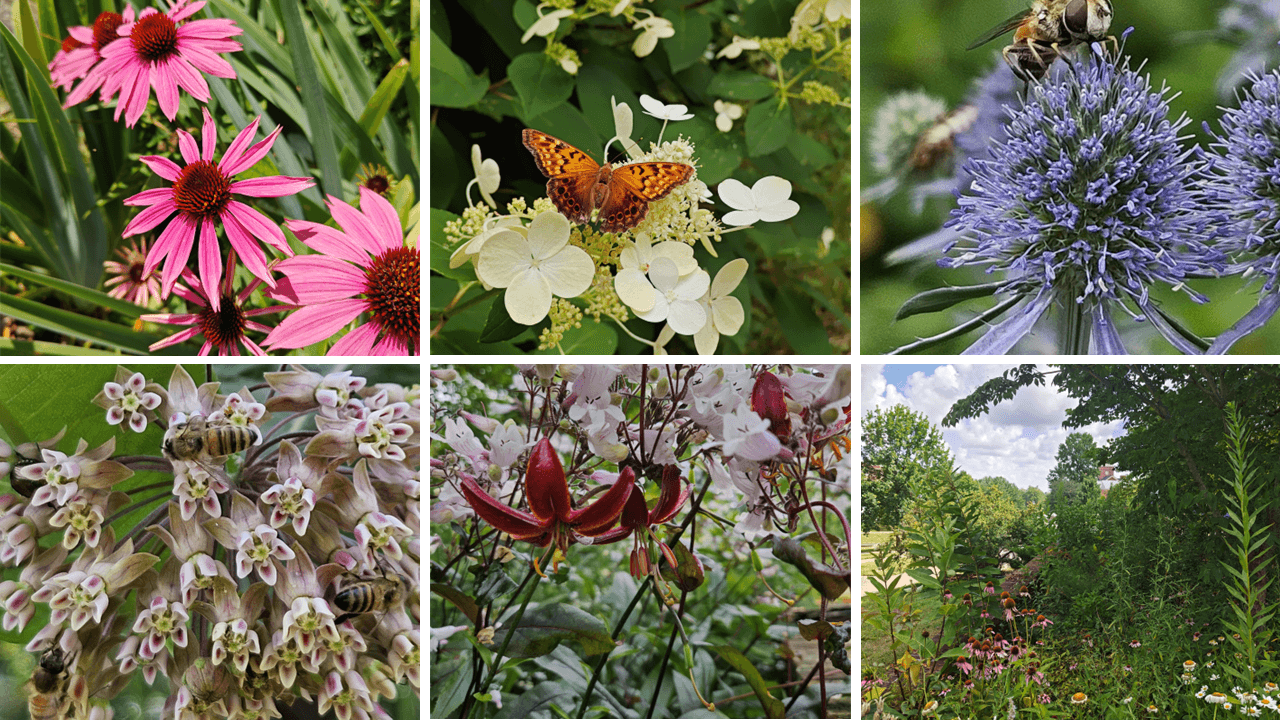
Summer
The garden bursts with the blooms of coneflowers, daisies, black-eyes Susans, lilies, milkweed, etc.
The first 2 generations of monarchs come to breed, hatch, and eat.
Bees, beetles, ladybugs, and butterflies are busy collecting pollen and nectar.
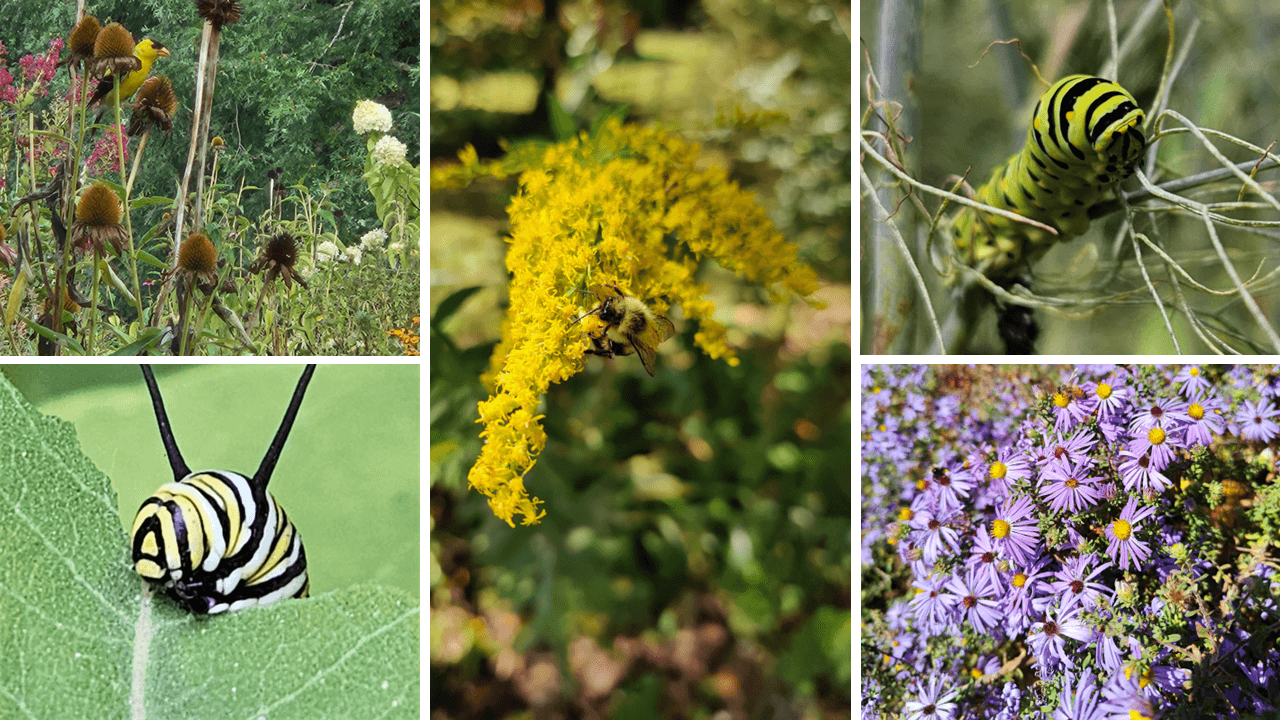
Fall
Asters & goldenrod bloom as summer flowers begin to fade into seeds, providing food for the birds.Swallowtail caterpillars munch on fennel before forming a chrysalis to overwinter in.The final generation of monarch’s get a last meal before heading to Mexico.
Winter
The garden is left to rest for the cold months. Though “cleaning up” is tempting, leaf litter, dead plant matter, hollow stems, etc. all provide important habitat for overwintering insects.Seed heads will continue to feed birds and other animals through the cold.
Contact Us
Questions about the garden? Please reach out to Katie and Christina at gis@berea.edu.